Navicular – Specialized Care
Home / Navicular – Specialized Care
Navicular – Specialized Care
Specialized Farriery for Horses with Problems Associated with Navicular Syndrome
Navicular syndrome is a condition associated with pain and abnormalities in the back of the horse’s foot and may affect its comfort, weight-bearing, and way of moving. Horses with this type of problem may show subtle changes in movement, hoof sensitivity, reduced performance, or a different way of distributing their weight.
At Pepe’s Horseshoeing, we focus on specialized hoof care and farriery for horses with conditions that require individualized management.
Our approach consists of carefully evaluating the condition of each hoof, observing the horse’s weight-bearing and movement, and adapting the trim and farriery to the specific needs of the case. The goal is to provide appropriate support, improve hoof balance, and work on load distribution while always considering each horse’s individual condition.
What Is Navicular Syndrome?
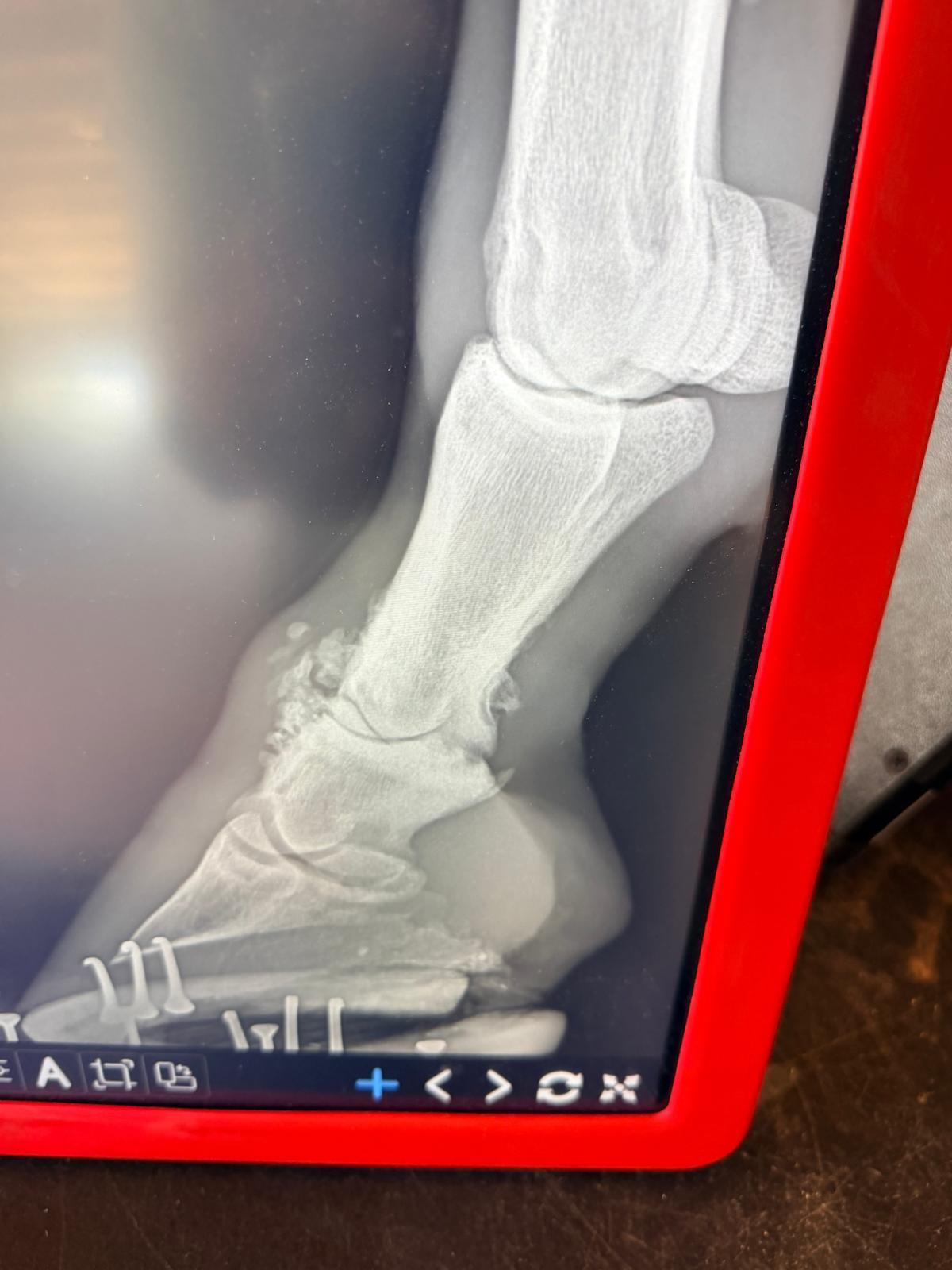
The term navicular syndrome is used to describe a group of clinical signs associated with pain in the navicular region of the foot. It may involve different structures within and around the navicular bone and other parts of the foot, so not all horses present exactly the same characteristics.
Changes that may be observed include alterations in the way the horse moves, less willingness to move forward, difficulty on certain surfaces, changes in stride length, or a tendency to place the feet differently.
Because there are different causes and presentations of hoof pain, veterinary evaluation is important to determine the diagnosis and establish appropriate management.
From a farriery perspective, our work focuses on adapting hoof care and support to the individual case, taking into account the available information and veterinary recommendations when applicable.

Our Approach to Navicular Cases
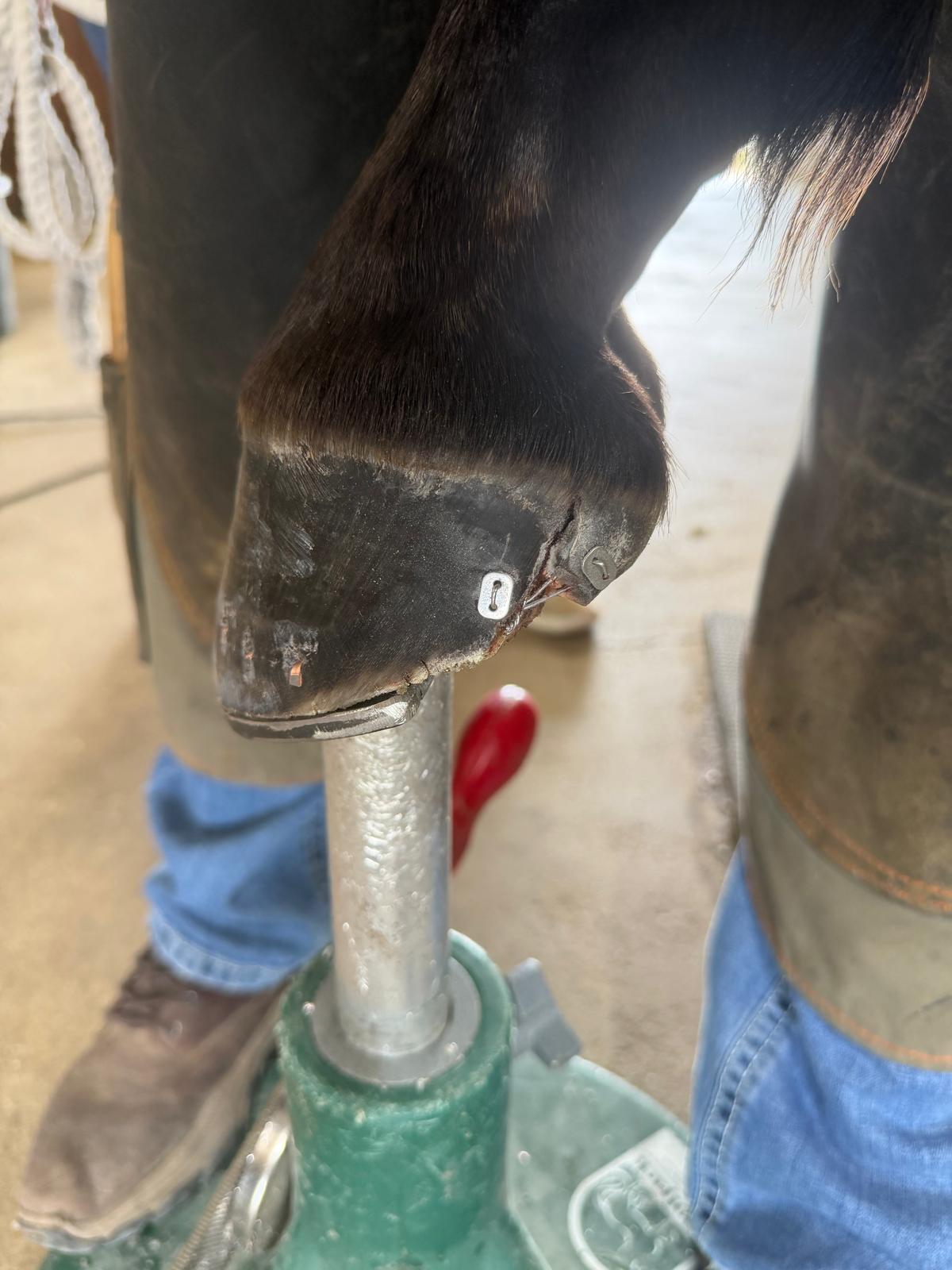
At Pepe’s Horseshoeing, we understand that a horse with problems associated with navicular syndrome may require different work than a horse without abnormalities.
For this reason, before performing any procedure, we evaluate aspects such as:
- Overall hoof condition.
- Hoof balance and proportions.
- Shape and growth of the hoof wall.
- Condition of the sole and frog.
- Natural hoof wear.
- The way the horse distributes its weight.
- Weight-bearing while standing.
- Movement and stride length.
- Horse conformation.
- Type of activity performed.
- Surface where the horse is kept.
- History of locomotion or hoof problems.
- Previous farriery work.
This evaluation allows us to determine which aspects require greater attention and how we can adapt our work.
Hoof Balance and Support
Hoof balance is a fundamental element of specialized farriery.
In horses with problems associated with navicular syndrome, we pay particular attention to the relationship between the hoof and the way the horse bears weight and moves the foot. The goal is to perform work that considers load distribution and provides a support system appropriate for the characteristics of the hoof.
Depending on each case, we may make trimming adjustments or customize a horseshoe to modify aspects related to support and hoof function.
These changes are not performed automatically. Each modification must respond to a need identified during the evaluation.
Customized Horseshoes for Navicular Cases
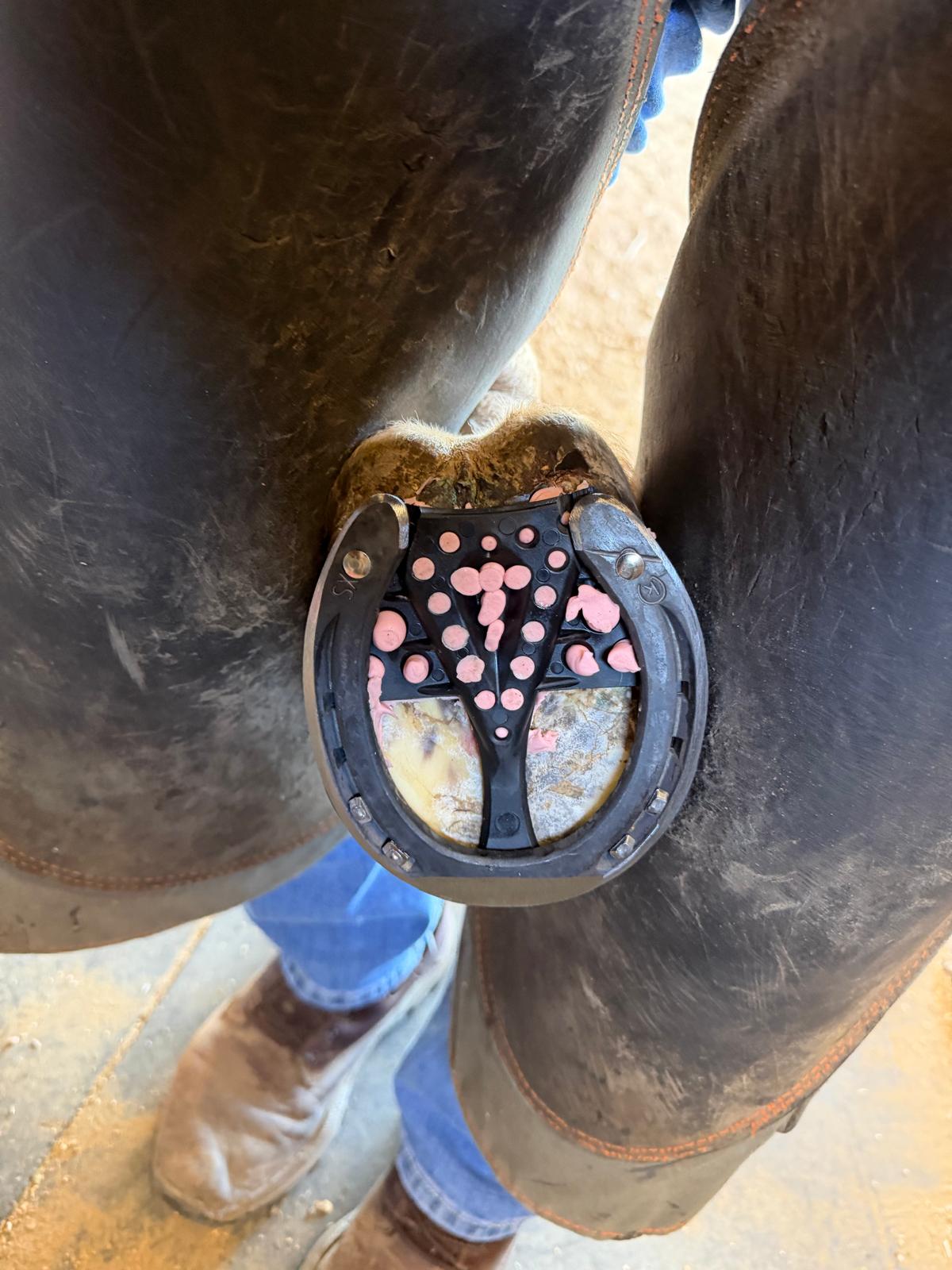
Some horses with navicular problems may benefit from a specially adapted farriery system.
At Pepe’s Horseshoeing, we can work with corrective or orthopedic horseshoes, making specific modifications when appropriate for the case.
The customization may consider elements such as:
- Support: Provide an appropriate support base according to the condition of the hoof.
- Load Distribution: Modify specific aspects of the horseshoe to work with the way the hoof receives and distributes weight.
- Balance: Make adjustments that help maintain an appropriate relationship between the different parts of the hoof.
- Shape and Coverage: Adapt the horseshoe to the conformation and specific characteristics of the hoof.
- Fit and Finish: Verify that the horseshoe is correctly positioned and does not create unnecessary pressure or interference.
There is no single horseshoe that is appropriate for every horse with navicular syndrome. The selection depends on the evaluation, the condition of the hoof, the horse’s movement, and the established management plan.
Specialized Trimming
Trimming is an essential part of our work.
In cases involving problems associated with navicular syndrome, we perform trimming carefully, paying particular attention to balance, hoof wall growth, weight-bearing, and structures that need to be protected.
Our goal is not to remove material uniformly or follow a standard measurement. We work according to the anatomy and individual condition of each hoof.
Trimming may vary from one visit to another depending on how the hoof has developed and the changes observed in the horse.
Movement Evaluation
The way a horse moves can provide important information about how it is using its hooves.
When conditions allow, we observe the horse during movement to identify changes in stride, weight-bearing, comfort, or weight distribution.
We also pay attention to possible differences between limbs and the way the horse performs certain movements.
This observation complements the physical evaluation of the hoof and helps us better understand which aspects should be considered during the farriery work.
Importance of Follow-Up
Cases related to navicular syndrome may require management that changes over time.
The hoof continues to grow, the horse may change the way it bears weight, and farriery needs may vary. For this reason, periodic follow-up is an important part of our service.
During each visit, we may compare hoof development with previous work and observe aspects such as:
- Hoof wall growth.
- Horseshoe wear.
- Weight-bearing distribution.
- Changes in hoof shape.
- Horse movement.
- Observed comfort during the work.
- Need to modify the farriery system.
The information obtained during these evaluations allows us to make progressive adjustments when necessary.