

Barefoot Trim
Home / Barefoot Trim
Barefoot Trim
Natural hoof care adapted to each horse’s needs
Barefoot Trim, or natural trimming, is a hoof maintenance method in which the horse remains without horseshoes. The objective is to maintain the hoof in a balanced and functional condition, respecting its natural characteristics and taking into account factors such as the horse’s conformation, activity level, type of terrain, and the wear it experiences on a daily basis.
At Pepe’s Horseshoeing, we offer professional Barefoot Trim services for horses that can remain without horseshoes and whose conditions allow for a management approach based on regular hoof trimming and maintenance.
What Is Barefoot Trim?
The concept of barefoot means that the horse remains without horseshoes, allowing the hoof to have direct contact with the ground.
This does not mean that the hoof should be left to grow without maintenance. On the contrary, a barefoot care program requires regular trimming and ongoing evaluation to control hoof growth, wear, and balance.
During each service, we seek to maintain a functional shape that corresponds with the horse’s individual characteristics.
Evaluation Before Trimming
Every horse has different conformation, and not all hooves grow or wear in the same way.
Before performing the trim, we carefully evaluate:
- Hoof shape and structure.
- Hoof growth.
- Natural wear.
- Condition of the hoof wall.
- Sole and frog.
- Weight-bearing pattern.
- Limb conformation.
- Activity level.
- Type of terrain.
- Work frequency.
- Hoof maintenance history.
When necessary, we also observe the horse in motion to better understand how it uses its limbs.
This information allows us to establish an appropriate trimming approach for each horse.

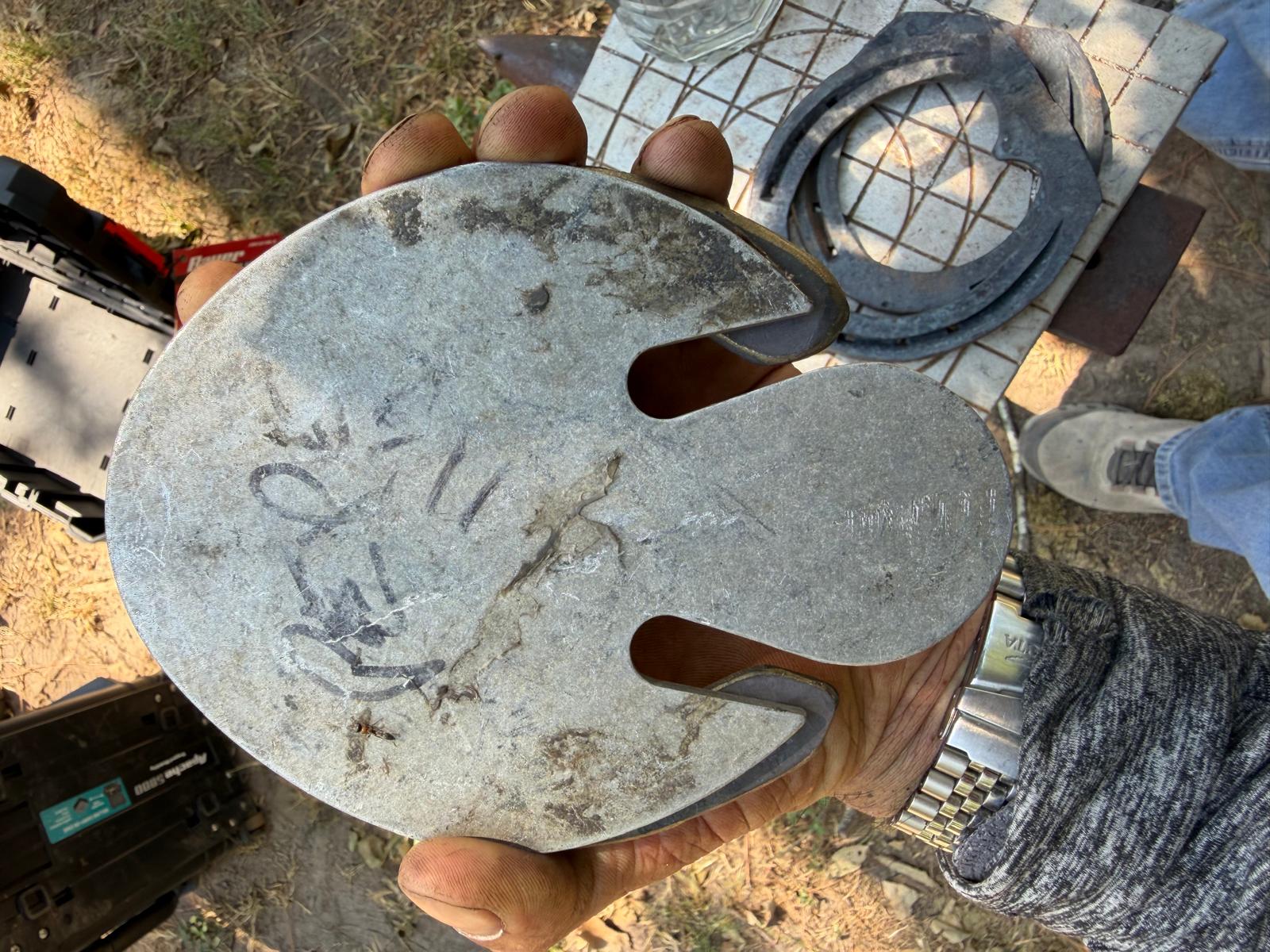
Our Natural Trimming Approach
At Pepe’s Horseshoeing, we seek to maintain the hoof within a functional and balanced shape while respecting its individual characteristics.
Trimming may include controlling excessive growth, maintaining the hoof wall, and adjusting certain areas of the hoof to preserve appropriate weight-bearing.
We do not seek to unnecessarily modify the hoof’s natural structure. The objective is to perform only the work appropriate to the conditions observed.
Barefoot According to the Horse’s Lifestyle
Not all horses have the same activity level.
A horse that spends most of its time in a pasture may experience different wear from a horse that performs daily work on harder surfaces.
For this reason, during our evaluation we consider the horse’s lifestyle and activities.
1 - Recreational Horses
Horses used for trail riding and recreational activities may require a maintenance program adapted to their work frequency and type of terrain.
2 - Horses with Frequent Activity
Horses that work regularly may experience different levels of wear. In these cases, we carefully observe the relationship between growth and wear.
3 - Exhibition Horses
Exhibition horses that work barefoot may also require a planned trimming program to maintain a well-kept presentation and a functional hoof.
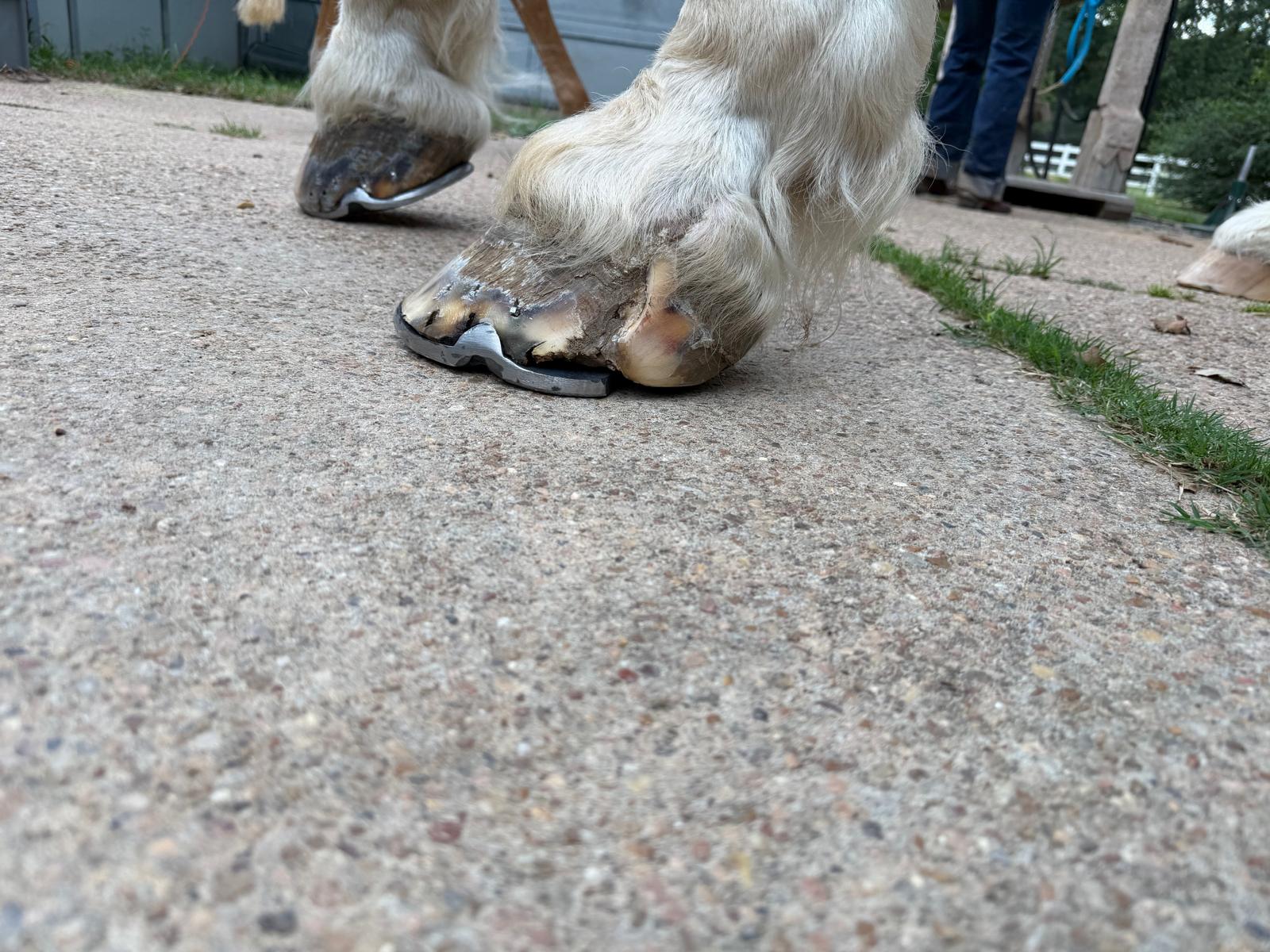

The Importance of Terrain
The environment where the horse lives and works can significantly influence its hooves.
Soft, wet, dry, rocky, or abrasive surfaces can produce different levels of wear.
During our evaluations, we consider the type of terrain to which the horse is exposed in order to better understand its maintenance needs.
The goal is to adapt the trimming program to the horse’s actual circumstances, rather than simply applying a standard frequency.
Our Barefoot Trim Process
- Initial Evaluation: We examine each hoof to understand its condition, growth, wear, and balance.
- Horse Observation: We analyze how the horse stands and, when necessary, observe its movement to obtain additional information about weight-bearing.
- Cleaning and Preparation: We clean and prepare the hoof so that we can properly evaluate its structures and begin the work.
- Trimming: We perform the necessary trimming according to the growth, wear, and individual characteristics of the hoof.
- Balance: We review the hoof shape and weight-bearing to achieve a functional and balanced foundation.
- Finish: We make the final adjustments necessary to leave the hoof properly maintained.
- Inspection: Finally, we evaluate all four hooves and provide recommendations for the next maintenance service.
How Often Does a Horse Need a Barefoot Trim?
The appropriate frequency can vary considerably from one horse to another.
Hoof growth, activity, terrain, climate, nutrition, conformation, and natural wear can influence how quickly the hoof needs maintenance.
For this reason, at Pepe’s Horseshoeing, we prefer to evaluate each horse’s progress and establish a maintenance routine based on its individual needs.
Consistent care makes it easier to control changes and prevent excessive growth from altering hoof balance.