Lameness Problems
Home / Lameness Problems
Lameness Problems
Hoof Evaluation, Balance, and Weight-Bearing Patterns in Horses with Lameness Problems
Lameness is one of the most important changes a horse may experience, as it can appear as an alteration in the way the horse walks, trots, bears weight on a limb, or distributes its weight.
The causes of lameness can be very diverse and do not always originate in the hoof. However, because the hoof is the structure that directly receives loads during weight-bearing, its condition, balance, growth, and wear are important aspects that should be evaluated.
At Pepe’s Horseshoeing, we have extensive experience in professional hoof care and specialized farriery work. Our Lameness Problems service focuses on carefully examining the hooves and observing the horse’s weight-bearing pattern, seeking to identify hoof-related factors that may be contributing to the problem.
Based on this evaluation, we can determine whether adjustments to trimming, balance, protection, or farriery are necessary, always considering the individual characteristics of the horse.
What Do We Mean by Lameness?
Lameness is an alteration in the horse’s normal movement that can present in different ways.
It may be observed as:
- Changes in stride length.
- Difficulty bearing weight on a limb.
- Irregular movement.
- Resistance to certain movements.
- Changes in the way the horse moves.
- Different weight distribution.
- Decreased performance.
- Changes in posture while standing.
- Increased sensitivity in one or more hooves.
In some cases, the changes may be very obvious; in others, they may be subtle and detected primarily during certain activities or on certain surfaces.
Identifying the cause requires an appropriate evaluation. Our work specifically focuses on determining whether there are hoof- and farriery-related factors that should be considered.
The Importance of the Hoof in Movement
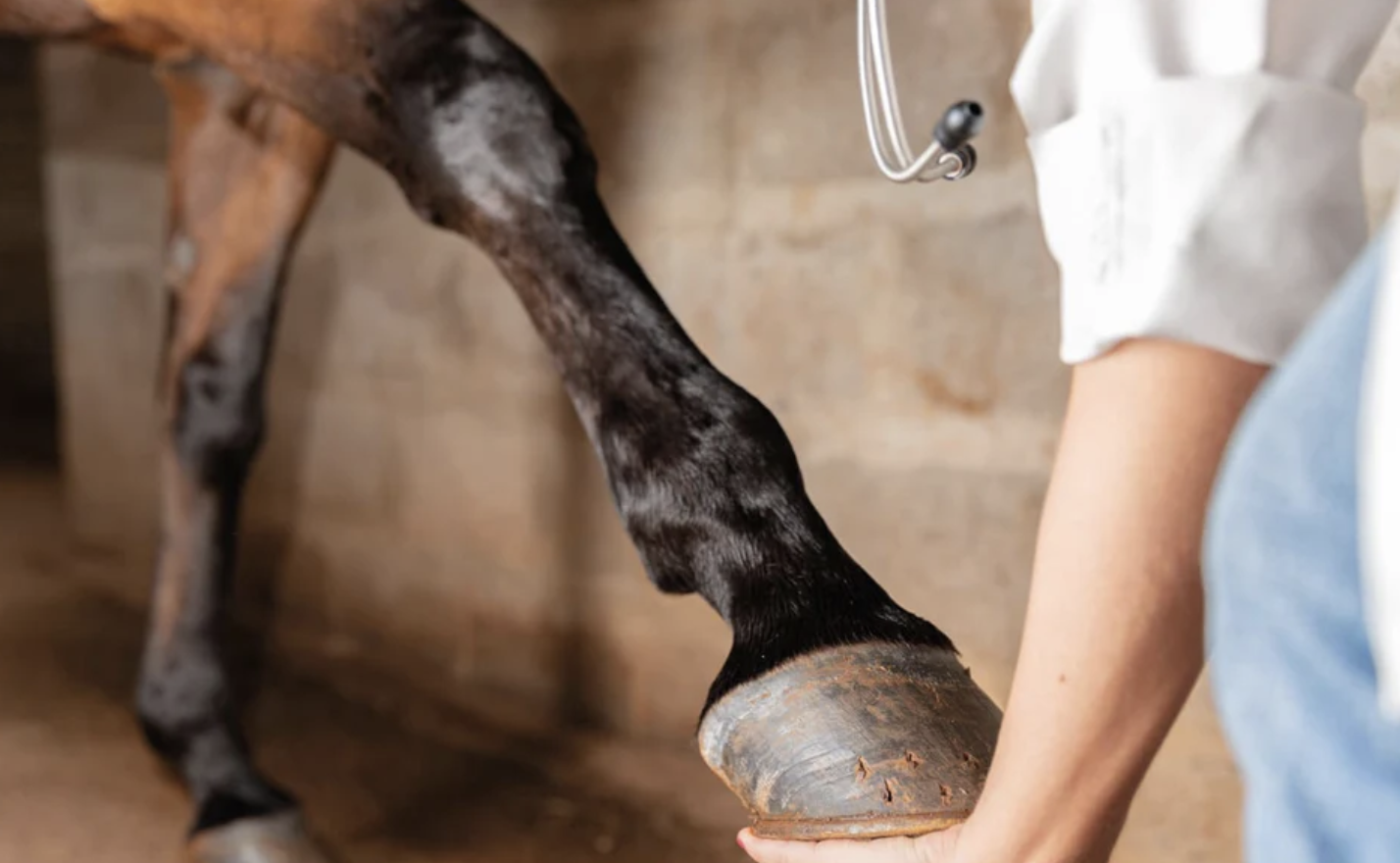
Every time a horse takes a step, the hoof contacts the ground and participates in receiving and distributing loads.
For this reason, any significant change in hoof shape, balance, growth, or condition may influence the way the horse uses that limb.
Hoof-related factors that may be relevant include:
- Irregular growth.
- Uneven wear.
- Loss of material.
- Weakened hoof wall.
- Changes in hoof conformation.
- Inappropriate weight-bearing.
- Poorly fitted horseshoe.
- Excessive horseshoe wear.
- Lack of protection under certain conditions.
- History of hoof problems.
Not all of these factors cause lameness by themselves, but they may be important elements within a comprehensive evaluation.
Specialized Hoof Evaluation
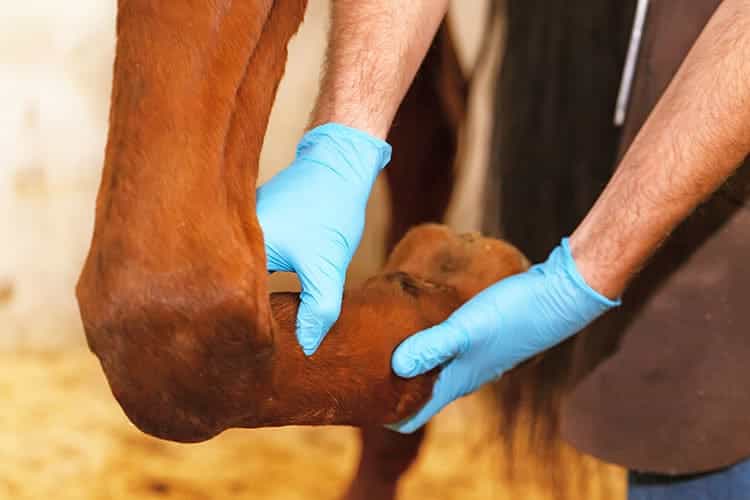
At Pepe’s Horseshoeing, we begin the service by carefully examining each hoof.
Our goal is to understand how it is growing, how it is balanced, and how it participates in weight-bearing by the limb.
We evaluate different characteristics:
Overall Hoof Condition: We examine the hoof wall, sole, frog, and other visible structures to identify changes or areas requiring attention.
Balance: We analyze the relationship between the different parts of the hoof and weight-bearing distribution.
Growth: We observe the direction and growth pattern of the hoof wall, as well as possible differences between different areas.
Wear: We evaluate whether the hoof shows uneven wear that may be related to the way the horse distributes its loads.
Conformation: We consider limb conformation and its relationship to hoof shape.
Horseshoe: If the horse is shod, we inspect the condition, fit, position, and wear of the horseshoe.
Weight-Bearing: We observe how the horse distributes weight while standing and, when conditions allow, during movement.
Evaluation of the Weight-Bearing Pattern
Weight-bearing patterns are an important part of our evaluation.
A horse experiencing discomfort may unconsciously change the way it places a limb to reduce the load on a particular area.
These changes may be observed through:
- Limb placement.
- The way the horse lifts and places the hoof.
- Stride length.
- Movement symmetry.
- Differences between limbs.
- Behavior during certain movements.
Observing weight-bearing allows us to complement the physical examination of the hoof and determine whether there are characteristics that should be considered during the farriery work.
Movement Evaluation
When conditions and horse safety allow, we observe the horse’s movement to obtain additional information.
We may pay attention to the way the horse:
- Changes direction.
- Distributes weight.
- Places its hooves.
- Initiates movement.
- Moves across different surfaces.
This observation is not intended to replace a veterinary examination. Its purpose within our service is to help understand the relationship between the hoof, weight-bearing, and farriery work.
What Hoof-Related Factors Can We Identify?
During our evaluation, we may identify different characteristics that require attention.
Hoof Imbalance: A hoof with balance differences may distribute loads differently than expected. In these cases, we can evaluate whether a trimming adjustment may improve hoof balance within its individual characteristics.
Uneven Wear: When certain areas of the hoof show greater wear, we analyze the pattern to understand how the horse is using that limb.
Uneven Growth: Hooves may have different growth patterns. Periodic follow-up allows us to observe these changes and make progressive adjustments.
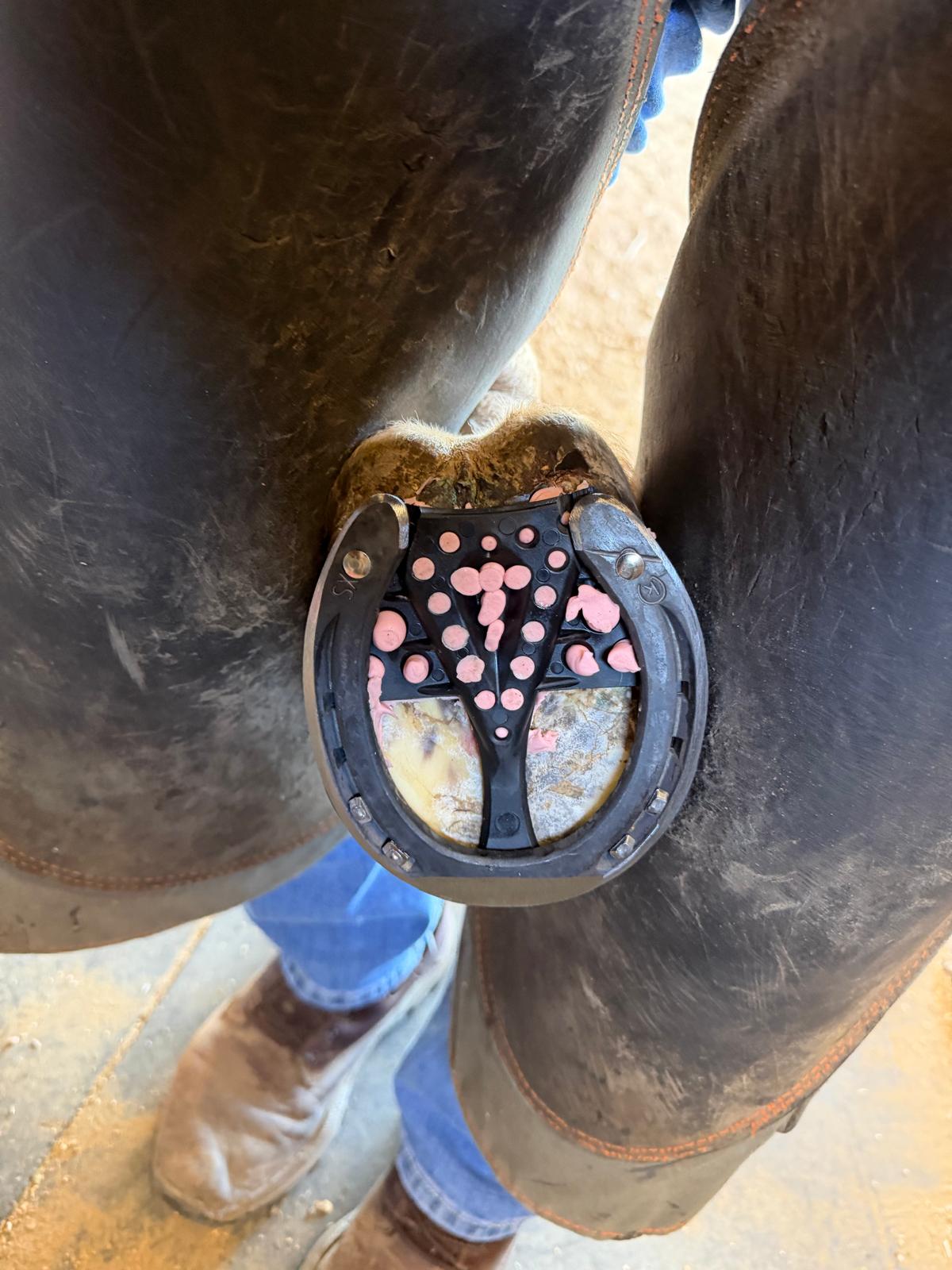
Inappropriate or Worn Horseshoe: In shod horses, a deteriorated, displaced, or no-longer-appropriate horseshoe may require replacement or modification.
Insufficient Protection: Depending on the terrain and the horse’s activity, wear may exceed the hoof’s natural growth capacity. In certain situations, a horseshoe may provide additional protection.
Structural Damage: Cracks, loss of hoof wall, or other abnormalities may affect the available weight-bearing surface and require specialized management.
Trimming and Balance for Lameness Cases
When the evaluation indicates that the hoof requires an adjustment, trimming is performed carefully.
The goal is not to make a drastic modification, but to work according to the characteristics of the hoof and the information obtained during the evaluation.
We may pay particular attention to:
- Hoof wall length.
- Weight-bearing distribution.
- Protection of important structures.
- Preparation for a specialized horseshoe.
Each case is managed individually.
Specialized Farriery
Depending on the horse’s characteristics, it may be necessary to adapt the farriery system.
In certain cases, we may use:
- Traditional Horseshoes: To provide protection and support for horses requiring conventional shoeing.
- Corrective Horseshoes: When specific modifications related to balance or weight-bearing are needed.
- Orthopedic Horseshoes: For cases requiring a specialized support system.
- Therapeutic Farriery: When it forms part of the management established for a specific condition.
The choice depends on the hoof evaluation, the horse’s activity, terrain, conformation, and the applicable professional recommendations.
Not All Lameness Originates in the Hoof
It is important to understand that lameness may have multiple causes.
It may be related to structures within the hoof, but it may also involve joints, tendons, ligaments, muscles, soft tissues, or other parts of the limb.
For this reason, our service does not intend to diagnose the medical cause of lameness.
Our work consists of evaluating the hoof and weight-bearing pattern to identify farriery-related factors that may be contributing to the problem.